Why Porto’s Europe’s Best Destination Title Signals a Shift in Urban Travel: Essential Guide for First-Time Visitors in 2025
Estimated reading time: 5 minutes
Thank you for reading this post, don't forget to subscribe!- Porto being named Europe’s Best Destination reflects a broader change in how we travel, with more emphasis on sustainability and local culture.
- Travelers are shifting away from overcrowded hot spots and embracing cities like Porto for authentic, slower-paced urban escapes.
- The city blends historic charm and modern creativity, making it ideal for couples, solo travelers, and food lovers alike.
- Visit Porto in shoulder seasons like spring and fall for the best mix of weather, crowd levels, and local experiences.
- This article explores why Porto’s Europe’s Best Destination title signals a shift in urban travel—and how to plan your own smart trip there.
- Why Visit Porto in 2025?
- Best Reasons Why Porto’s Europe’s Best Destination Title Signals a Shift in Urban Travel
- Where to Stay in Porto (Neighborhoods & Tips)
- How Much Does a Trip to Porto Cost?
- How to Plan This Trip the Smart Way
- HopStrip-Style Tips and Tools for This Trip
- FAQ: Why Porto’s Europe’s Best Destination Title Signals a Shift in Urban Travel
Why Visit Porto in 2025?
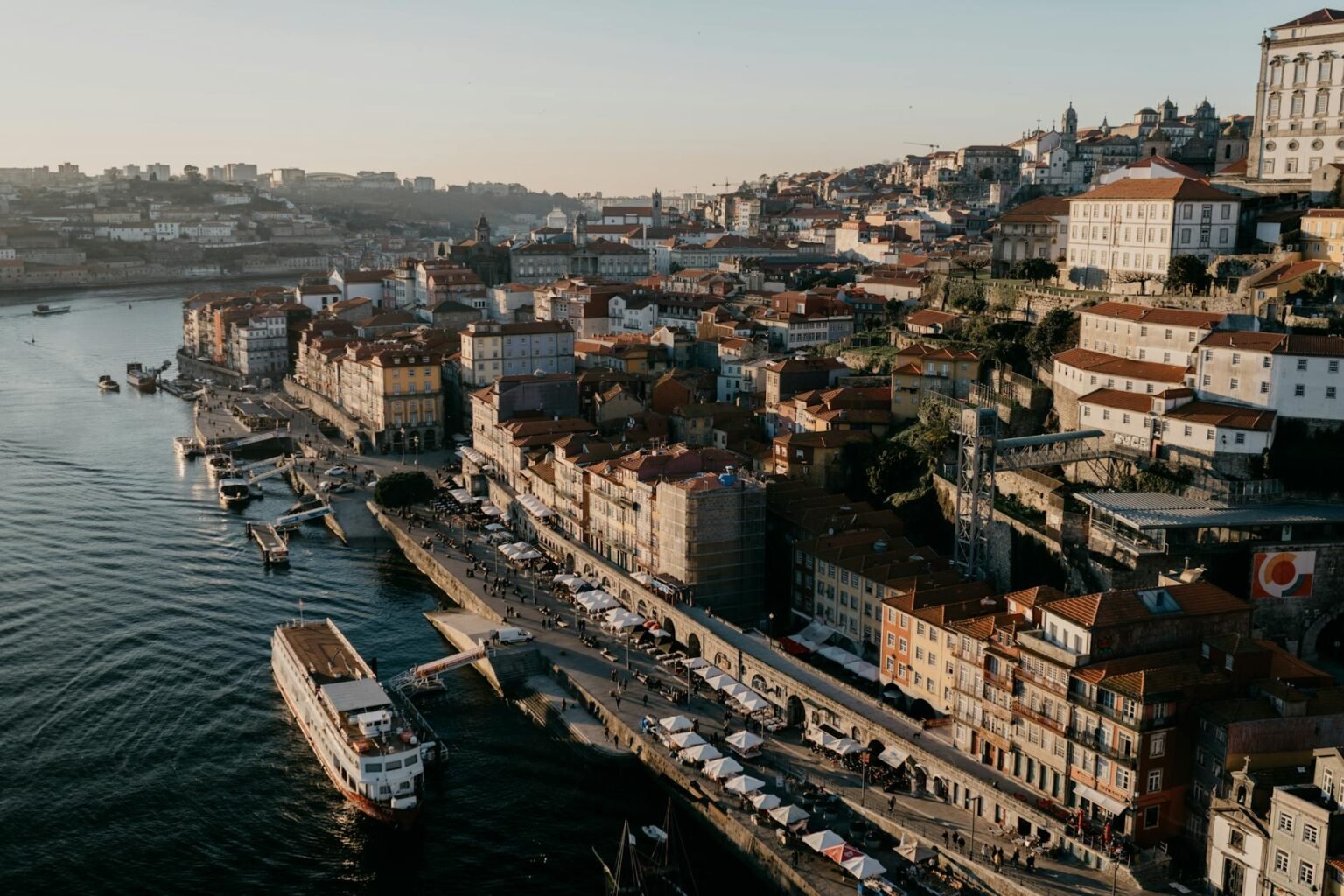
Porto is not Lisbon’s quieter cousin anymore—it’s a full-blown travel star. Known for its colorful riverfront, world-renowned wine houses, tiled architecture, and creative energy, this coastal city is now front-and-center in Europe’s tourism scene.
But unlike many big-name destinations, Porto’s moment in the spotlight is about quality over quantity.
According to the World Travel Awards recognition, Porto’s win reflects a shift towards cities that offer something deeper: authentic culture, local engagement, walkable neighborhoods, and efforts toward sustainability.
So why go in 2025?
- Spring (April–June) and autumn (September–November) offer ideal weather with fewer crowds
- Porto continues investing in community-based tourism and heritage conservation
- Affordable compared to many Western European cities, especially for food, transport, and lodging
- It’s a cultural treat—from historic trams to tasting Port wine in cellars that date back centuries
For forward-thinking travelers, it’s a sign that travel is evolving—and that Porto exemplifies this evolution.
Best Reasons Why Porto’s Europe’s Best Destination Title Signals a Shift in Urban Travel
This win isn’t just about Porto’s aesthetics (though, yes, it’s absurdly photogenic). Here’s why this recognition marks a bigger turn in how—and where—we travel as conscious explorers:
1. A Pivot Toward Local Culture
Unlike mega-destinations packed with chain restaurants and tour buses, Porto has actively leaned into its local DNA. Residents, artists, and small businesses co-create the vibe. Whether it’s watching fishermen along the Douro or attending a small Fado show, visitors are more likely to be participants than spectators.
2. Sustainability at its Core
Smaller cities like Porto are demonstrating it’s possible to grow tourism without losing what makes the place special. The city has introduced pedestrian-friendly zones, restored heritage areas like Ribeira, and limited overdevelopment in sensitive districts.
3. Slower, Intentional Travel
Instead of racing through must-sees for the ‘Gram, Porto encourages you to linger. Cafés invite slow sipping, trams roll at a nostalgic pace, and alleys reveal art surprises. Time here is something you feel—not something you schedule.
4. A Food Scene That’s Rooted and Rising
Forget flashy fusion. Porto’s food is rich, rustic, and regional—with an evolving creative twist. From perfectly grilled sardines to modern wine bars in old warehouses, it’s a place where slow food tourism thrives.
The result? Porto is proof that modern travelers increasingly value depth over checklists. And that’s exactly why Porto’s Europe’s Best Destination title signals a shift in urban travel worth watching.
Where to Stay in Porto (Neighborhoods & Tips)
Choosing where to stay in Porto impacts your vibe—and how close you’ll be to the best experiences.
Ribeira (Historic Center) – Best for First-Time Visitors
This riverside UNESCO-listed district is where Porto shows off: medieval lanes, iron balconies, tram sounds, and cafés spilling onto the Douro. Stay here if you want to be immersed in the city’s heart. Bonus points for views of the Dom Luís I Bridge.
- Walkability: 9/10
- Vibe: Romantic, Old World, Lively
- Ideal for: Couples, first-time travelers
- Try it: Check hotel prices near Ribeira
Cedofeita – Where Locals Live (and Create)
Known as Porto’s arts district, Cedofeita is ideal for those wanting a more local rhythm. It’s filled with creative spaces, concept cafés, and a rising vegan/vegetarian food scene.
- Walkability: 8/10
- Vibe: Boho, Local, Artistic
- Ideal for: Digital nomads, solo travelers, creatives
- Try it: Find nearby vacation rentals
Foz do Douro – Coastal Calm
At the edge of the city where the river meets the sea, Foz offers breezy beaches, seaside walks, and boutique hotels. It’s not centrally located, but perfect if you want a coastal escape with occasional city forays.
- Walkability: 6/10 (needs transit into central Porto)
- Vibe: Chic, Quiet, Coastal
- Ideal for: Luxury travelers, families
- Try it: Spot hotel deals in Foz
How Much Does a Trip to Porto Cost?
Porto remains one of the best-value cities in Western Europe. Here’s what to expect in 2025 for a 3–5 day trip:
| Type | Budget | Mid-Range | Luxury |
|---|---|---|---|
| Accommodation (per night) | €30–€60 (hostel/budget hotel) | €80–€150 (boutique hotel) | €200+ (5-star or riverside suites) |
| Meals (per day) | €20–€30 | €35–€60 | €80+ |
| Public Transport | €6/day (daily pass) | €10–€15 total trip | €20–€30 (ride shares) |
| Major Attractions | €10–€20 per ticket | €30 for top sites combo | Guided tour ~€50–€100 |
| Total (3 days) | €250–€400 | €500–€700 | €900+ |
Book early if visiting in late spring or during one of Porto’s popular wine festivals. And remember—local wine bars and tasca-style eateries offer excellent quality for modest prices.
How to Plan This Trip the Smart Way
- ✅ Start by checking timing: Spring (April–June) or early autumn (Sept–Oct) is best.
- ✈️ Compare flights for your dates—Porto is well served by budget and full-service airlines across Europe.
- 🚖 Book a fixed-rate airport transfer to central Porto, especially if arriving late or with luggage.
- 🏨 Reserve hotels or vacation rentals early, especially in Ribeira or Cedofeita.
- 🎟️ Pre-book key experiences like Douro River boat cruises and Port cellar tours via GetYourGuide.
- 🛡️ Don’t forget travel insurance! Check out Ekta Travel Insurance for flexible coverage.
HopStrip-Style Tips and Tools for This Trip
- 📍 Combine Porto with the Douro Valley: Just a 1.5–2 hour drive or train ride brings you to Portugal’s oldest wine region. HopStrip pro move: Base in Porto, take a day tour or rent a car for one night upriver.
- 🧳 Pack adaptable gear: Porto is hilly, cobbled, and layered—bring comfortable shoes, a crossbody bag, and a light jacket (even in summer). Our favorite day tours include local-led heritage walks and gastronomy tastings that don’t require much more than appetite and good footwear.
- 📶 Need local data? Consider ordering an international SIM before you go from reliable sites like SimOptions for easy connectivity on arrival.
FAQ: Why Porto’s Europe’s Best Destination Title Signals a Shift in Urban Travel
❓ What does Porto’s award actually mean for travelers?
It means you can expect a city that prioritizes travelers’ experience without sacrificing authenticity. Instead of overcrowded tourist zones, Porto offers a walkable, artistic, and locally-driven atmosphere.
❓ Is Porto really that different from Lisbon?
Yes. While both are beautiful coastal cities, Porto feels more compact, rugged, and artistic. Lisbon’s grander and more cosmopolitan; Porto is humbler, slower, and arguably more charming.
❓ How many days do I need in Porto?
3 to 5 days is ideal. That gives enough time to explore neighborhoods, descend into wine cellars, cruise the Douro, and savor slow Portuguese meals.
❓ Can I explore the rest of Portugal from Porto?
Absolutely. Day trips to Guimarães, Braga, and the Douro Valley are popular—easy by train or organized tour. You can even fly or train down to Lisbon for a twin-city trip.
❓ Is it good for solo or digital nomad travel?
Porto is perfect for solo travelers. Safe, friendly, wi-fi-rich, and full of cozy spots to linger and work. Cedofeita and Bonfim are great areas for longer stays and local cowork cafés.