Why Porto’s Europe’s Best Destination Title Signals a Shift in Urban Travel: Essential Guide for 2025 Explorers
Estimated reading time: 6 minutes
Thank you for reading this post, don't forget to subscribe!- Porto’s recent win as Europe’s Best Destination reflects a major shift in urban travel — think fewer crowds, more culture.
- Instead of mega tourism hubs, travelers are now drawn to slower-paced cities offering authenticity and sustainability.
- Porto stands out for its walkable layout, historic charm, and vibrant food scene — all without the chaos of bigger European capitals.
- 2025 is the perfect year to experience Porto before mass tourism catches up.
- This guide explains exactly why Porto’s Europe’s Best Destination title signals a shift in urban travel — and how smart travelers can respond.
Table of Contents
- Why Visit Porto in 2025?
- Best Things to Do in the City That’s Redefining Urban Travel
- Where to Stay in Porto (Neighborhood Guide)
- How Much Does a Trip to Porto Cost?
- How to Plan This Trip the Smart Way
- HopStrip-Style Tips and Tools for This Trip
- FAQ: Why Porto’s Europe’s Best Destination Title Signals a Shift in Urban Travel
Why Visit Porto in 2025?
Every year, a city earns the prestigious “Europe’s Best Destination” title, but 2025’s winner feels different — and that’s exactly why Porto should be at the top of your list. The award reflects a broader transformation in how we experience cities. Here’s what makes Porto so relevant now.
Smaller Scale, Bigger Impact
Porto is compact — you can walk from the historic Ribeira district by the Douro River to the artsy Cedofeita neighborhood in under 30 minutes. Its manageable size means you’re less reliant on transit and more perceptive to the rhythms of daily life: artisans reopening studios in the morning, locals chatting over espresso, and the echo of Fado from tucked-away bars.
An Alternative to Over-Tourism
Barcelona. Venice. Dubrovnik. These iconic cities battle with overtourism daily. Porto offers the same European charm—historic architecture, delicious food, waterfront vibes—but without being overrun. That exclusivity won’t last forever though, so 2025 may be your window to see the city before it changes.
A Model of Sustainable Urban Tourism
The city’s commitment to sustainable tourism is real. From eco-conscious hotels to pedestrian-friendly infrastructure, Porto is on the front lines of the urban travel shift. The World Travel Awards nod specifically highlights this commitment, making Porto the poster child for responsible tourism in Europe. For details, check out the announcement article.
Best Things to Do in the City That’s Redefining Urban Travel
If you’re wondering why Porto’s Europe’s Best Destination title signals a shift in urban travel, just spend a day here — your experience won’t be defined by checklists, but by moments of connection, scenery, and flavor.
1. Wander the Ribeira District
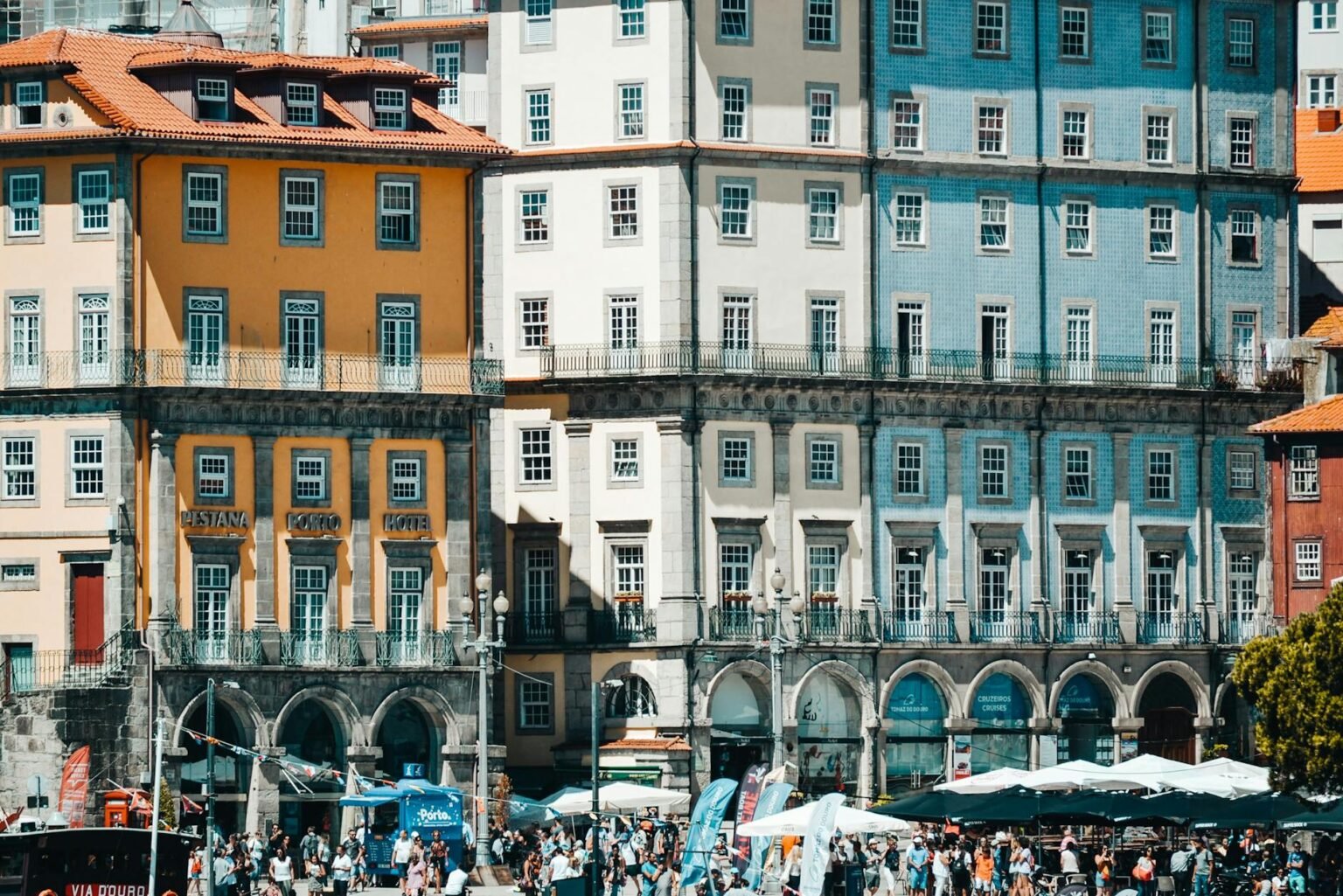
Walk the narrow lanes between ochre-colored buildings, duck into wine cellars, and sip a glass of tawny Port as the sun sets behind the Luís I Bridge.
2. Taste the Future of Portuguese Cuisine
Porto’s food scene reflects tradition with a modern edge. Grab a francesinha (a decadent sandwich-smothered meal) at local-favorite Café Santiago, or try contemporary petiscos at Taberna dos Mercadores.
Want to go deeper? Book a local-led activity with GetYourGuide to try olive oil tastings, wine pairings, or cooking classes in hidden kitchens.
3. Explore the Art + Indie Scene in Miguel Bombarda
This street is an ever-changing outdoor gallery, with bookstores, rotating exhibitions, street murals, and conceptual shops that center around local creators.
4. Cruise the Douro (the Smart Way)
Skip mega boats and pick a small-group or private cruise that navigates upriver for a peaceful view of the valley. Sunset cruises are ideal for first-time visitors.
Where to Stay in Porto (Neighborhood Guide)
Each part of Porto offers a different dose of charm. Here’s how to pick the right one based on how you travel.
◉ Ribeira — For First-Time Visitors
Stay by the river if you want iconic views and access to the city’s most photogenic spots. This area is more touristy but perfect for shorter stays and walking access to landmarks.
▶ Pro tip: Check hotel prices for your stay early, especially between June and September when riverside spots book quickly.
◉ Foz do Douro — For Boutique Luxury
Where the river meets the Atlantic. Romantic promenades, boutique hotels, local seafood joints. Great for couples who want a quieter, upscale escape.
◉ Cedofeita — For Creative Travelers & Digital Nomads
Known for its arty vibe and independent merchants, Cedofeita blends working cafes, galleries, and hip bars. A top pick for digital nomads and solo travelers who want a local buzz.
How Much Does a Trip to Porto Cost?
Porto delivers high value — all the charm of Paris or Amsterdam at a fraction of the price. Here’s what a realistic budget looks like in 2025:
| Category | Budget Traveler | Mid-Range | Luxury Seeker |
|---|---|---|---|
| Hotel (per night) | €45–€70 (hostels/budget hotels) | €90–€130 (3–4 stars) | €180+ (boutiques, river views) |
| Meals | €10–€15 daily budget | €25–€40 per day | €80+ for fine dining |
| Attractions | Many sites are free; €10–€25 for guided tours | ||
| Local Transport | €1.60 for a single metro ride | ~€6/day with metro pass | Taxis or private rides |
▶ Flying in? Use this trusted tool to compare flights for your dates.
How to Plan This Trip the Smart Way
- ✅ Book flights early into Porto Airport (OPO), ideally 6–8 weeks out. Use Kiwi or similar comparison tools to track price drops.
- 🏨 Choose accommodation by trip style: Ribeira (tourists), Foz (romance), Cedofeita (creative/local).
- 🚖 Arrange your arrival transfer or rides to hotels with a fixed-rate service like Kiwitaxi.
- 📆 Use GetYourGuide to book key tours in advance — especially Douro Valley trips or food tours that fill up in high season.
- 🎒 Pack light but smart — comfy shoes, a reusable water bottle, and a scanner for QR-based museum entries.
- 📱 Consider an eSIM or international SIM card from providers like SimOptions (optional) to navigate maps and bookings offline.
HopStrip-Style Tips and Tools for This Trip
Travelers choosing Porto in 2025 are already ahead of the curve — but if you want to think like a HopStrip traveler, here’s how to go a step further:
- Combine experiences: Spend 3–4 days in Porto and pair it with a 2-day Douro wine region retreat or even a coastal surf getaway in Espinho.
- Book smarter, not just earlier: Use rarely shared tools like this hotel deal finder to catch flash discounts.
- Bring gear that adds flexibility: A packable daypack, noise-canceling earbuds for cobbled cafe work sessions, and plug adapters for EU-countries.
➡️ This post may contain affiliate links. If you book through them, we may earn a small commission at no extra cost to you.
FAQ: Why Porto’s Europe’s Best Destination Title Signals a Shift in Urban Travel
❓ Why did Porto win Europe’s Best Destination in 2025?
Because it reflects where modern travelers want to go: cities that balance local heritage, livability, and sustainability—not just Instagrammable backdrops. The win recognizes poor overtourism responses elsewhere and validates Porto’s approach to slow, connected travel.
❓ Is Porto good for digital nomads?
Absolutely. The Cedofeita district and Rua de Miguel Bombarda offer coworking spots and indie cafes with vibes that rival Lisbon — but with cheaper rent and less burnout.
❓ Can Porto handle more tourism without losing its charm?
Porto’s small scale demands thoughtful planning. Local authorities are implementing sustainable tourism controls, but travelers can help by supporting local businesses, avoiding peak-season travel, and seeking experiences beyond the “Top 10” list.
❓ When’s the best time to visit Porto?
Late April through early June or mid-September through October. These windows dodge the high season while still offering good weather, fewer crowds, and better value.
Final Thoughts: Why Porto’s Europe’s Best Destination Title Signals a Shift in Urban Travel
Porto didn’t just claim a trophy—it became a blueprint. The city blends authenticity, slower rhythms, and people-first design in ways that challenge what a “city break” can mean. Travelers who embrace this shift discover something deeper: cities that feel lived in, not packaged.
So if you’re ready for an urban trip that resonates beyond glossy brochures, Porto’s your next move. And now that you understand why Porto’s Europe’s Best Destination title signals a shift in urban travel, it’s time to get planning—and get going.