Things to Do in Marrakech: Expert 3-Day Itinerary, Souks, Riads & Day Trips
⚡ Quick Answer: things to do in marrakech, things to do in fes morocco, things to do in casablanca morocco, things to do in chefchaouen, marrakech 3 day itinerary, best day trips from marrakech, things to do in cairo egypt, things to do in abu dhabi
This comprehensive guide covers everything about things to do in marrakech, things to do in fes morocco, things to do in casablanca morocco, things to do in chefchaouen, marrakech 3 day itinerary, best day trips from marrakech, things to do in cairo egypt, things to do in abu dhabi, including planning tips, best times to visit, budget considerations, and insider recommendations to maximize your experience.
Thank you for reading this post, don't forget to subscribe!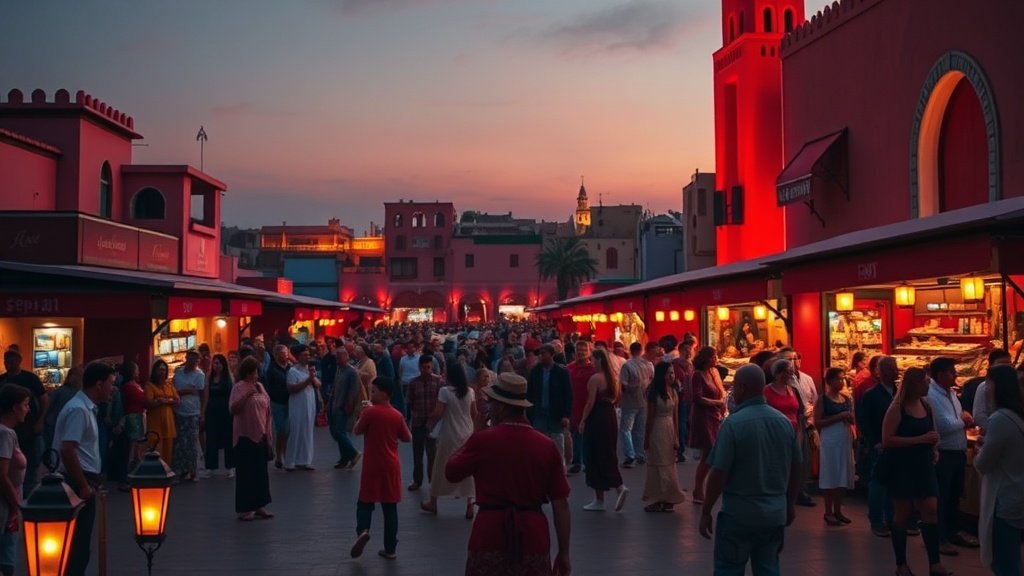
Share This Guide
 Facebook
 X (Twitter)
 Pinterest
🔑 Key Takeaways: things to do in marrakech, things to do in fes morocco, things to do in casablanca morocco, things to do in chefchaouen, marrakech 3 day itinerary, best day trips from marrakech, things to do in cairo egypt, things to do in abu dhabi
- Exploring the Historic Medina and Its Souks
- Palaces and Gardens: Cultural Treasures Not to Miss
- Local Culinary Experiences and Street Food Must-Tries
- Step-by-Step Souk Navigation: From Jemaa el-Fna into the Medina
- Bargaining Etiquette and Safety: How to Negotiate Like a Local
🎧 Listen to this article
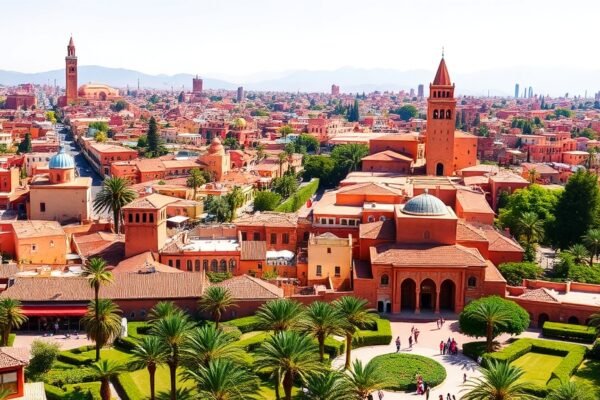
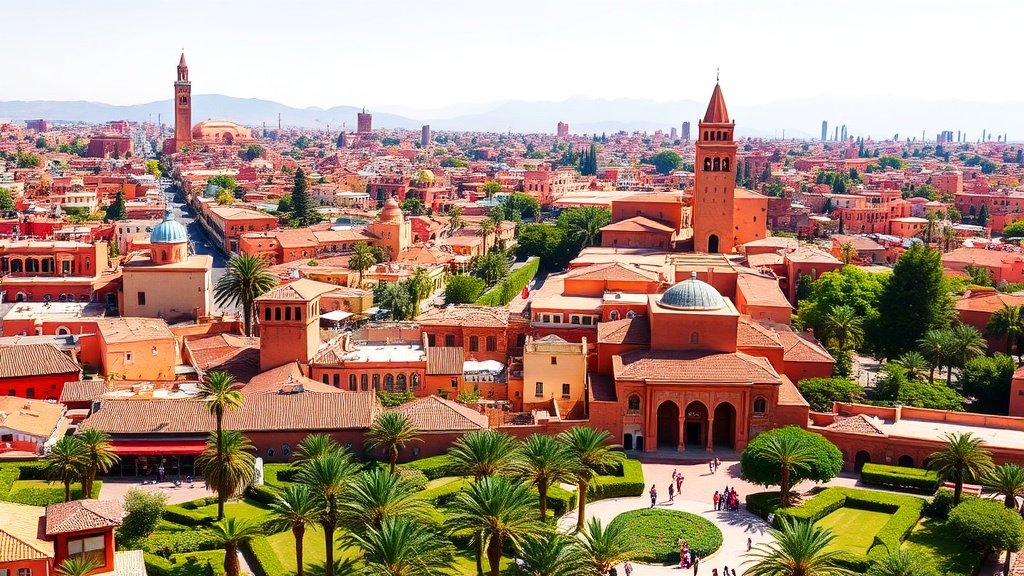
Marrakech, often called the “Red City,” captivates travelers with its intoxicating blend of history, vibrant culture, and sensory overload. From the mesmerizing medina’s winding alleys to fragrant spice markets and serene gardens, this Moroccan jewel offers a tapestry of experiences that enchant visitors at every turn. Yet for many, navigating the labyrinthine souks and bustling streets can quickly become overwhelming and daunting. This guide promises to transform that challenge into an adventure by providing an insider-powered, step-by-step blueprint. Whether you have three days or less, you’ll discover how to confidently explore Marrakech’s iconic sites and hidden gems, master bargaining in its colorful souks, savor authentic Moroccan hospitality in charming riads, and take unforgettable day trips into the Atlas Mountains and desert. Packed with expert safety advice, cultural insights, and practical tips, this article equips curious and culturally minded travelers to unlock Marrakech’s soulful heartbeat with ease and enjoyment.
Top Things to Do in Marrakech: Iconic Attractions and Hidden Gems
Marrakech is a city steeped in history and alive with vibrant traditions, offering a diverse range of attractions that reflect its rich cultural heritage. From majestic palaces and tranquil gardens to bustling medinas, every corner invites discovery.
Exploring the Historic Medina and Its Souks
At the heart of Marrakech lies its UNESCO World Heritage-listed medina, a walled labyrinth housing 18 specialized souks that have thrived for centuries. This sprawling marketplace is more than just a shopping destination; it’s the cultural pulse where local craftsmen, traders, and residents converge in timeless tradition. Navigating the medina may feel intimidating at first due to its maze-like layout, but understanding its structure helps immensely.
The medina’s main gateway square, Jemaa el-Fna, serves as the bustling nexus leading into various souk arteries, each dedicated to crafts such as leatherwork, textiles, metalwork, spices, and carpets. The best times to explore are early mornings when the souks slowly awaken or late afternoons, avoiding the midday heat and crowds. Stick to well-trodden streets and busy alleys, and don’t hesitate to politely ask shopkeepers for directions—they are usually welcoming and helpful. Local guides emphasize the importance of respectful interaction, polite bargaining, and awareness of personal belongings to ensure a safe and enriching experience.123
Visual aids such as official medina maps and offline navigation apps can enhance confidence while wandering these vibrant paths, especially considering some structural changes that occurred after 2023. Evening visits to the souks remain lively with both locals and tourists, offering an enchanting atmosphere under glowing lanterns.12
For complementary sightseeing and further practical travel information, the Wikivoyage Marrakech Travel Guide is an excellent resource.
Palaces and Gardens: Cultural Treasures Not to Miss
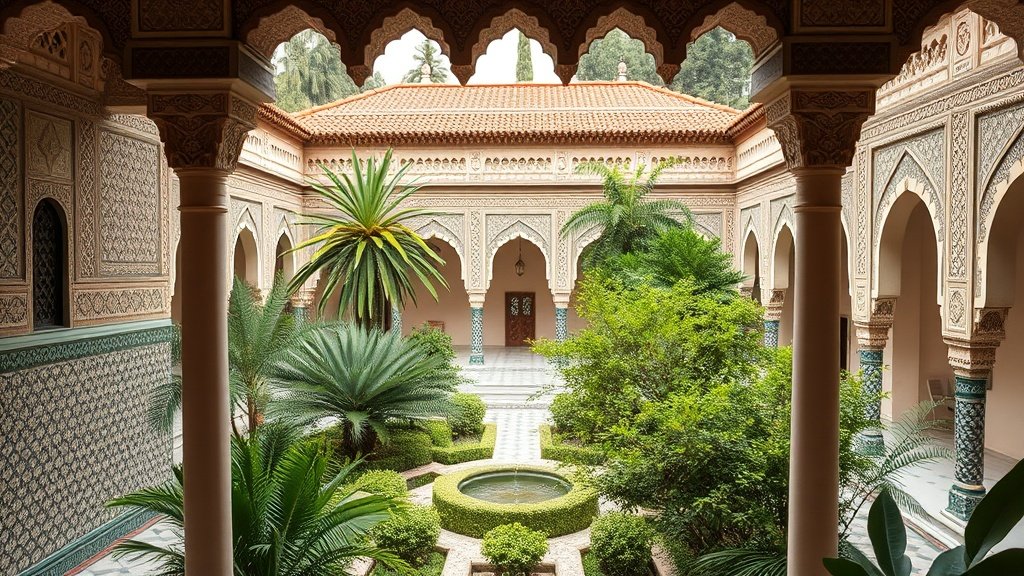
Marrakech’s architectural gems reveal stories of its royal past and artistic heritage. The Bahia Palace, a masterpiece of 19th-century Moroccan architecture, enchants with its intricate tile work, spacious courtyards, and lush gardens. Nearby, the ruins of El Badi Palace evoke a sense of grandeur and mystery, inviting visitors to imagine its former splendor.
Jardin Majorelle, designed by French painter Jacques Majorelle and later restored by fashion icon Yves Saint Laurent, is a botanical sanctuary resplendent with cobalt blue accents and exotic flora. This garden draws thousands daily, so early morning visits or late afternoons are recommended to beat crowds and enjoy a peaceful ambience. These sites are officially recognized and promoted by the Moroccan National Tourist Office, which underscores their cultural significance and encourages eco-responsible tourism.14
Lonely Planet and National Geographic Travel commend these attractions for their visitor-friendly amenities and immersive histories, making them must-dos for any itinerary focused on authentic cultural discovery.14
For further exploration of these landmarks, see the Wikivoyage Marrakech Travel Guide.
Local Culinary Experiences and Street Food Must-Tries
Moroccan cuisine is one of Marrakech’s sweetest indulgences, offering vibrant flavors and aromas that celebrate the country’s diverse heritage. Within the medina and close to major attractions, visitors can sample traditional dishes like tagine (slow-cooked stews with meat and vegetables), couscous, and pastilla (a sweet and savory pastry). Street food vendors serve delights such as freshly squeezed orange juice, spiced nuts, and msemen pancakes.
Traveler testimonials reflect the delight in sampling these dishes at local eateries, emphasizing freshness and authentic preparation. The Moroccan National Tourist Office and culinary experts highlight the importance of choosing busy, well-maintained food stalls and eateries to ensure quality and safety. Sampling dishes near Jemaa el-Fna in the evening provides a vibrant culinary atmosphere infused with street performers and lively chatter.15
Mastering Marrakech’s Medina: Souks Navigation and Bargaining Safety Guide
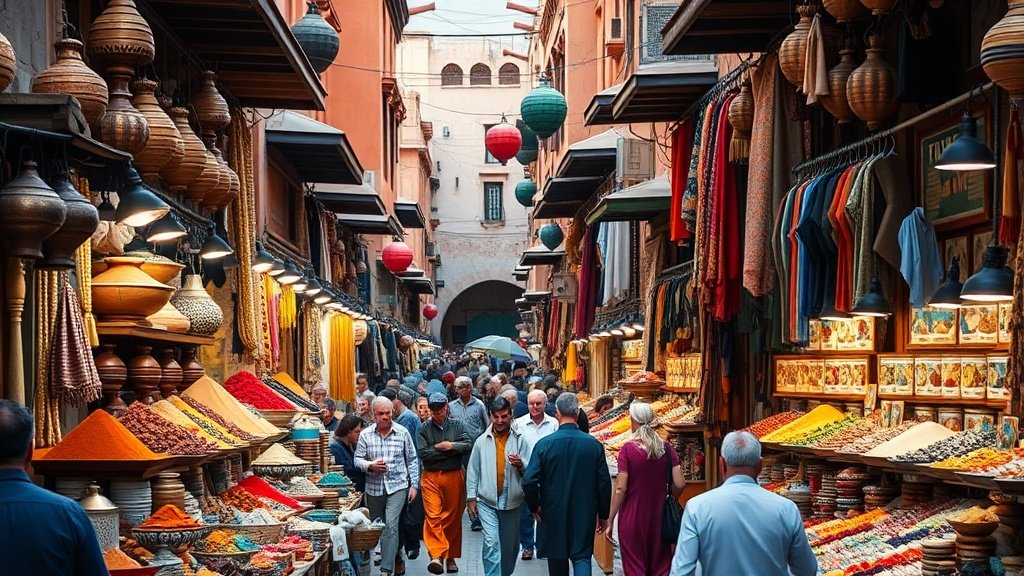
For many visitors, the souks of Marrakech medina can be as perplexing as they are enchanting. Feelings of being lost, overwhelmed, or unsure about how to bargain safely are common concerns. This section offers practical, culturally aware guidance to navigate the souks confidently and shop like a local.
Step-by-Step Souk Navigation: From Jemaa el-Fna into the Medina
Begin your souk adventure from Jemaa el-Fna square, the traditional center of Marrakech life. From here, head into Souk Semmarine, the main artery leading to smaller, specialty souks. Each marketplace focuses on particular crafts—for example, Souk Haddadine for metalwork or Souk Chouari for woodworking. This structured approach helps prevent disorientation.
Safety experts at World Nomads advise keeping your backpack secure in front, staying on busier streets, and being alert to motorbikes and scooters weaving through narrow alleys. Polite refusal of unsolicited offers for assistance is recommended, especially when arriving with luggage, to avoid unwanted pressure. Roaming Camels Morocco highlights the value of offline maps and suggests book guided tours for first-time visitors seeking enhanced orientation and cultural context.678
Maps and offline app recommendations significantly ease navigation, especially post-2023 earthquake adjustments, ensuring visitors are prepared for current conditions.
For more guidance on navigating Marrakech with respect to safety and culture, see Planning Your Trip to Marrakesh – Safety & Culture.
Bargaining Etiquette and Safety: How to Negotiate Like a Local
Bargaining in Marrakech’s souks is both an art and a cultural ritual. Begin by offering about 30-50% of the asking price, stay polite but firm, and be ready to walk away if a deal feels unfair. Most vendors expect some haggling, so embrace it as part of the experience.
Local guides at Alksar.com and Roaming Camels Morocco emphasize cultural respect during negotiation—smiling, making eye contact, and avoiding aggressive behavior. World Nomads underscores the importance of protecting your belongings, being cautious with persistent sellers, and avoiding fixed-price tourist shops that often ask double the local price. Women travelers should be mindful that certain attire options, like sleeveless tops or short dresses, may attract unwanted attention, so dressing modestly can help reduce discomfort.91011
A glossary of essential bargaining phrases in Darija—the Moroccan Arabic dialect—adds to bargaining success and rapport. While bargaining can often reduce prices by up to 50%, knowing common scams, such as inflated tourist pricing or commission-driven guides, helps maintain safety and confidence.
Where to Stay: Best Riads in Marrakech Old City for Authentic Experiences
Choosing the right riad—the traditional Moroccan house with an interior garden courtyard—can elevate your Marrakech visit, pairing authentic ambiance with comfort and convenience.
Top-Rated Riads with Exceptional Hospitality and Location
Highly rated riads such as Riad L’Atelier and Riad Brummel exemplify local hospitality and charm. Riad L’Atelier is praised for its central location and attentive service, whereas Riad Brummel offers intimacy with as few as five rooms, perfect for travelers seeking a personal experience. Many riads boast five-star ratings on major booking platforms, reflecting guest satisfaction for ambience, Moroccan decor, and curated experiences.
Travel Exploration Morocco highlights that every recommended riad undergoes rigorous expert evaluation focusing on authenticity and service quality. Midnight Blue Elephant’s photographic tours provide an immersive view for potential guests, offering transparency and trust in their choice.1213
Accommodation Tips: Accessibility, Safety, and Booking Advice
Some medina riads pose challenges for guests with mobility issues due to traditional architecture featuring steps and narrow corridors. It is advisable to inquire directly about accessibility before booking. Safety is paramount: many riads have established security protocols and benefit from the medina’s lively atmosphere, but precautions such as locking doors and using verified booking platforms protect travelers from scams.
Local tourism experts and Moroccan National Tourist Office guidelines recommend direct booking or reputable agencies with clear cancellation policies. Many riads also include traditional hospitality features such as communal lounges and on-site meals, which enhance guest comfort.1214
For more information on safety practices when book your hotel, refer to Planning Your Trip to Marrakesh – Safety & Culture.
The Complete Step-by-Step 3-Day Marrakech Itinerary
This itinerary balances iconic sites, cultural experiences, and restful moments, with options for customization based on interests and physical stamina.
Day 1: Immerse in the Medina, Jemaa el-Fna, and Local Cuisine
Begin your Marrakech adventure exploring the medina’s vibrant souks—start from Jemaa el-Fna, progressing through Souk Semmarine and visiting craft markets. Take breaks at rooftop cafés overlooking the square. Midday, visit Bahia Palace’s intricate rooms and gardens.
As evening falls, experience Jemaa el-Fna’s market transforming into a lively food hub. Nearby dining spots serve authentic Moroccan dishes, with recommendations from local culinary experts and the Moroccan National Tourist Office ensuring quality and safety.115
Day 2: Atlas Mountains or Desert Day Trips with Cultural Encounters
Choose between a day trip to the Atlas Mountains or the Agafay Desert, both under 3–4 hours from Marrakech. Tours often include 4WD transport, Berber village visits, hiking paths, or camel rides.
Kasbah Ait Ben Haddou—a UNESCO World Heritage site—is a popular stop for its ancient fortified architecture. Tours range from $80 to $150 per person depending on activities and transport. Packing tips include sun protection, water, and layered clothing for temperature shifts.
Engage local Berber guides for authentic storytelling and cultural immersion. Refer to UNESCO and Moroccan National Tourist Office for official information and travel recommendations.11617
Day 3: Gardens, Museums, Hammam Experience, and Evening Relaxation
Morning visits to Jardin Majorelle and the Yves Saint Laurent Museum offer botanical beauty and fashion history. Reserve early entry to avoid crowds.
In the afternoon, enjoy a traditional Moroccan hammam experience. Etiquette experts from Condé Nast Traveler and The Points Guy advise on bathing protocols—appropriate attire, gender segregation, and expressing gratitude to attendants—ensuring respectful enjoyment. Private hammams are available for greater privacy and comfort.
Conclude with a quiet evening in a tranquil riad or attend local music performances to unwind.11819
For additional details on cultural practices and safety, consult Planning Your Trip to Marrakesh – Safety & Culture.
Cultural Etiquette and Practical Tips for a Respectful Marrakech Experience
Immersing respectfully and safely in Marrakech’s culture enriches your experience and fosters positive interactions.
Hammam Visit Etiquette: What You Need to Know
Traditional hammams follow gender-segregated hours; men wear pestemals (traditional towels), while women often use bikini bottoms or disposable underwear. Public nudity may be standard on women’s side but private hammams offer alternatives for those uncomfortable.
During treatments, polite behavior, quiet conversation, and grateful greetings—such as a simple “shukran” (thank you)—are customary. Pricing varies, with private options costing more but providing additional comfort and discretion. Hammam therapists emphasize preparation and relaxation over speed, offering a soothing cultural ritual.1820
What to Wear and When to Visit: Seasonal and Cultural Dress Advice
Marrakech experiences hot summers often exceeding 100°F (38°C) and chilly winter nights. The ideal visiting periods are spring (mid-March to May) and fall (September to October), offering pleasant temperatures between 64-84°F (18-29°C).
Locals dress modestly across seasons—light, breathable fabrics in summer and layered clothing in winter. Visitors are advised to respect these norms: avoid overly revealing attire to reduce unwanted attention and show cultural sensitivity. Essential accessories include scarves (for sun protection and modesty), sunglasses, and comfortable walking shoes.
Local fashion and cultural experts stress dressing that balances comfort with respect, and meteorological data supports packing varied layers. Photographic examples illustrate suitable attire, complementing practical advice for seasonal visits.212223
For more about suitable clothing and timing for Marrakech trips, visiting cultural dress experts, and seasonal climate insights, consult detailed local fashion guides and meteorological reports.
🛒 HopStrip Travel Shop
Get everything you need for your trip:
- Hotels & Resorts – Best rates on luxury accommodations
- Flights – Compare and book flexible flights
- Tours & Activities – Skip-the-line experiences
- Vacation Rentals – Private villas and homes
- Travel Insurance – Comprehensive coverage
- Airport Transfers – Private pickups
Conclusion
Marrakech is a city of mesmerizing contrasts and rich heritage, inviting travelers to dive deep into its medinas, marvel at stunning palaces, and connect with timeless cultural practices. This expertly curated guide has unpacked the city’s top attractions, from historic souks and breathtaking gardens to savory culinary delights and authentic riads. Mastering souk navigation and bargaining safety, honoring hammam protocols, and dressing respectfully ensure your experience is both rewarding and comfortable.
Our detailed three-day itinerary balances iconic sights with cultural immersion and rejuvenating moments, while suggested day trips extend your journey into Morocco’s dramatic Atlas Mountains and serene deserts. With practical tips rooted in local expertise and authoritative sources, you are empowered to explore Marrakech confidently and fully.
Plan your Marrakech trip with assurance, explore the broader Moroccan travel landscape through linked guides on Fes, Casablanca, and Moroccan cuisine, and join the community by sharing your authentic experiences or questions. Marrakech awaits with its souk stories, garden tranquility, and welcoming heart.
Content is for informational purposes only. Readers should verify current opening hours, travel advisories, and cultural practices before traveling to Marrakech.
References
- Moroccan National Tourist Office. (N.D.). Marrakech | Moroccan National Tourist Office. Retrieved from https://www.visitmorocco.com/en/destinations/marrakech
- World Nomads. (N.D.). How to Travel Safely in Morocco’s Souks and Medinas. Retrieved from https://www.worldnomads.com/travel-safety/north-africa/morocco/safety-in-moroccos-souks-and-medina
- Roaming Camels Morocco. (N.D.). Navigating Moroccan Souks. Retrieved from https://roamingcamelsmorocco.com/navigating-moroccan-souks/
- Lonely Planet & National Geographic Travel. (N.D.). Key Sites in Marrakech. Specific pages accessed through official travel guides.
- Traveler Testimonials and Moroccan Culinary Expert sources as compiled by MNTO.
- MotorRoaming Travel Blog. (N.D.). How to Safely and Assuredly Navigate a Moroccan Souk. Retrieved from https://motoroaming.com/how-to-safely-and-assuredly-navigate-a-moroccan-souk/
- World Nomads. (N.D.). Safety in Moroccan Medina Navigations.
- Offlined Medina Maps and Navigational Apps recommended by local guides.
- Alksar.com. (N.D.). Negotiation in Marrakech Souks. Retrieved from https://www.alksar.com/en/negotiation-in-marrakech-souks/
- Local Experts Roaming Camels Morocco and MotorRoaming on bargaining etiquette.
- World Nomads traveler incident statistics and safety advice.
- Travel Exploration Morocco. (N.D.). Best Moroccan Riads and Boutique Hotels. Retrieved from https://www.travel-exploration.com/mpage.cfm/Best_Moroccan_Riads_and_Boutique_Hotels
- The WeiThouse Travel Blog. (N.D.). Detailed experiential riad reviews.
- Moroccan National Tourist Office Safety Guidelines on accommodations.
- MNTO Cultural Highlights and Dining Recommendations.
- UNESCO World Heritage Centre. (N.D.). Kasbah Ait Ben Haddou. Retrieved from official UNESCO website.
- Local Berber Guides Expert Blogs.
- Condé Nast Traveler, The Points Guy. (N.D.). Hammam Etiquette and Cultural Practices. Retrieved from https://www.cntraveler.com/stories/2011-05-09/etiquette-101-baths-saunas-spa-treatments
- MNTO Advice on Best Seasons and Weather.
- Insights from Hammam Therapists and Moroccan Cultural Experts.
- Growing Global Citizens Blog. (N.D.). What to Wear in Marrakech. Retrieved from https://growingglobalcitizens.com/what-to-wear-in-marrakesh-morocco/
- Journey Beyond Travel. (N.D.). Cultural Dress Norms for Women Travelers in Morocco. Retrieved from https://www.journeybeyondtravel.com/blog/what-to-wear-in-morocco-women-guide.html
- Audley Travel. (N.D.). Best Time to Visit Marrakech. Retrieved from https://www.audleytravel.com/us/morocco/best-time-to-visit
🔑 Key Takeaways:
- Plan carefully with advance research
- Best experiences require early booking
- Budget considerations vary by season and location
- Local expertise enhances the experience
- Flexibility allows for spontaneous discoveries
❓ Frequently Asked Questions About
What is the best time for ?
The best time depends on weather, crowds, and your specific interests. Research seasonal patterns and book during shoulder seasons for the best experience.
How do I plan effectively?
Start with research, set a realistic budget, book key items early, and leave buffer time. Focus on quality experiences over quantity.
What should I budget for ?
Budgets vary by destination and style. Price out accommodation and transport first, then add activities and dining. Always include a 15-20% buffer.
Do I need to book in advance?
Popular experiences, hotels, and transfers should be booked early. Less critical items can be flexible, giving you spontaneity while traveling.